Is Your Industrial Property Obsolete? Assessing The Value Gap
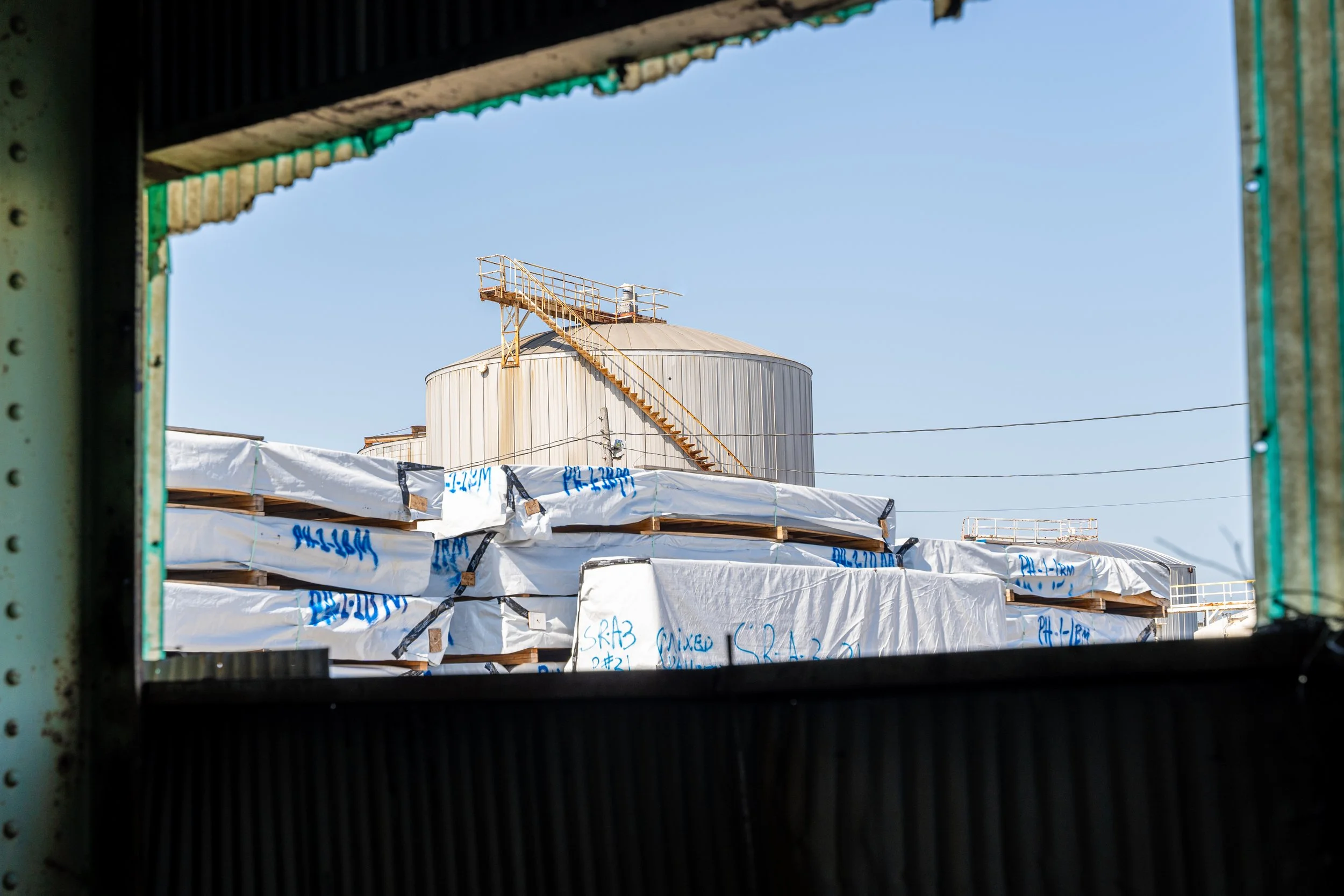
Is your industrial property still competitive, or are newer buildings quietly pulling tenants away?
If cash flow feels softer than it should, the issue may be inside the building itself. Ceiling height, truck flow, power, and energy performance now shape appraisal, leasing speed, and long-term property value.
In this blog, we’ll walk you through the warning signs, the value gap, and the upgrades that can help you protect return on investment.
Key Takeaways
Obsolescence usually shows up as lower rents, longer vacancy, heavier concessions, and tougher financing terms before it shows up in a sale price.
For many older bulk warehouses, the danger zone starts with low clear heights, weaker power, outdated dock layouts, and limited automation readiness.
Modern users often compare your building against space with 30 to 36 foot clear heights, reinforced slabs, stronger electrical service, LED lighting, and ESFR sprinklers.
Targeted retrofits, especially lighting, HVAC, power, dock, and structural upgrades, can improve cash flow and may also unlock tax benefits.
Benchmarking energy, stormwater compliance, and market fit helps owners decide whether to retrofit, reposition, or sell.
What Does Obsolescence Mean for Industrial Properties?
Obsolescence means a building still stands, but it no longer competes well for the tenants you want. In industrial real estate, that usually shows up as weaker rents, slower lease-up, and a lower valuation even if the property is still physically usable.
A 2022 CBRE review found the average U.S. warehouse was 43 years old, and about 28% of inventory, roughly 3.4 billion square feet, was already more than 50 years old. Age alone does not kill value. The real problem starts when older design limits rack height, dock flow, power, or automation.
That is why a sharp property assessment matters. It helps you decide whether to upgrade, repurpose, or sell before the value gap widens.

How Can You Identify Obsolescence in Your Industrial Property?
Start with a practical review, not a gut feeling. Benchmark your building against current leasing comps and against the specs modern tenants screen for first. One useful red flag is clear height, because many older bulk warehouses that struggle today fall below 30 feet.
Measure physical limits: clear height, dock count, truck court depth, slab strength, and column spacing.
Check utility readiness: electrical service, lighting, HVAC, fire suppression, and data coverage.
Review operating drag: utility bills, repair logs, and downtime between tenants.
Compare market fit: ask where your building loses on rent, concessions, or tenant tours.
That turns a vague concern into an investment evaluation you can actually use.
What Problems Arise from Outdated Facility Designs?
Outdated design hurts because it slows every movement inside the building. Tight aisles, awkward dock placement, weak staging areas, and poor trailer circulation make labor less productive and shipping windows harder to hit.
In a June 2025 CBRE brief, older bulk warehouses, defined as 100,000 square feet or larger, built before 2000, and under 30 feet clear, were running at 8.0% vacancy with 133 million square feet of negative net absorption. That is a strong signal that the market is separating functional space from obsolete space.
Workflow loss: forklifts travel farther, staging backs up, and throughput falls.
Leasing loss: prospects push for concessions because they must work around the building.
Capital loss: buyers subtract cure costs for dock work, lighting, power, and structural upgrades.
How Do Ceiling Heights and Floor Loads Affect Property Use?
Ceiling height and floor capacity decide which tenant universe you can serve. Tall, durable space supports denser racking, heavier storage, mezzanines, conveyors, and future automation.
Current Class A listings often advertise 36-foot clear height, reinforced concrete floors, ESFR sprinklers, and 2,500 to 4,000 amps of expandable three-phase power. If your building sits far below that level, tenants and appraisers usually price the gap instead of ignoring it.
| Building Feature | If It Falls Short | Why It Matters |
|---|---|---|
| Clear height | Under 30 feet can limit dense racking and some automation layouts | Lower storage density means less productivity per square foot |
| Floor and slab strength | Weak slabs may require reinforcement before heavy equipment or denser storage | That adds capex before a tenant can fully use the space |
| Electrical service | Older panels and lower amperage can choke automation, HVAC, and charging upgrades | Power has become a leasing feature, not a back-office detail |
For many owners, this is where obsolescence turns from a design issue into a cash flow issue.
Why Is Automation Important in Modern Industrial Facilities?
Automation matters because tenants no longer see it as a nice extra. They want buildings that can support scanners, sensors, conveyors, autonomous mobile robots, and stronger wireless coverage without months of retrofit work.
For owners, the lesson is simple. A building with limited power, poor cable pathways, weak slab performance, or low clear height can lose tenants before a tour even starts. Automation-ready space lowers startup friction, which helps support stronger rents and a better financial appraisal.
How Can Location Accessibility Impact Property Value?
Location still does heavy lifting. Fast access to interstate corridors, ports, rail, and labor pools lowers transportation friction, and tenants will pay for that because small delivery delays can wipe out the savings from slightly cheaper rent.
JLL's 2025 U.S. Industrial Tenant Demand Study found the Southeast accounted for more than 25% of total industrial demand, while other market outlooks have highlighted growing interest in sites near the Mexico border and along major north-south freight corridors such as Interstates 29 and 35. That tells you market analysis should focus on freight reach and labor access, not just the street address.
Strong access: better tenant retention, faster lease-up, and lower downtime.
Weak access: more concessions, higher last-mile costs, and a thinner buyer pool.
Best use shift: some older sites work better as shallow-bay, service industrial, or last-mile space than as regional distribution hubs.
What Is the Value Gap in Industrial Properties?
The value gap is the distance between what your building earns today and what a more functional version of that same asset could earn in the same market. In plain language, it is the rent you are missing, the vacancy you are carrying, and the capital a buyer knows they must spend after closing.
Appraisers may reflect that gap through lower rent assumptions, higher vacancy, larger reserves, or direct deductions for cure costs such as roof raises, dock rework, power upgrades, or stormwater improvements. Investors see the same issue through financial metrics, especially net operating income, yield, and expected hold-period returns.
Once you quantify that spread, the decision gets clearer. You can compare retrofit cost against rent lift, leasing speed, and exit value instead of guessing.
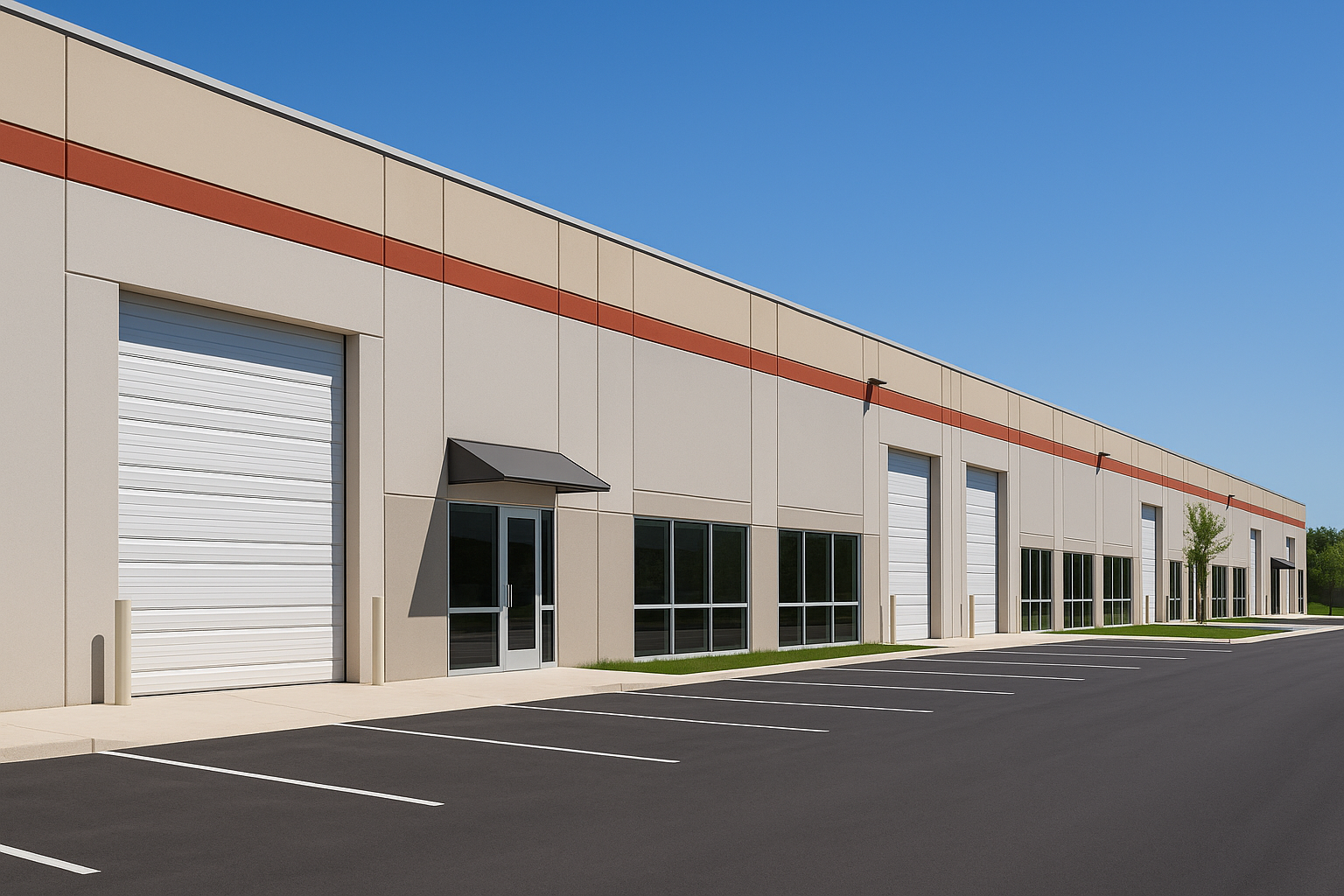
Key Factors Driving the Industrial Property Value Gap
The gap rarely comes from one flaw. It usually comes from several market pressures hitting the same building at once.
That split is easy to see in current U.S. data. Smaller shallow-bay buildings under 50,000 square feet can still perform well in the right market, while older bulk warehouses with weak specs are under more pressure. So your industrial property has to be judged against the right peer group.
How Do Market Demand Shifts Affect Property Values?
Demand shifts change value fast because tenants can switch formats long before owners can rebuild walls and docks. One year the hot requirement is regional e-commerce distribution. The next year it is manufacturing, light assembly, cold storage, or smaller last-mile space.
In JLL's 2025 demand study, total industrial demand was down 10.9% year over year, yet build-to-suit inquiries were up 117% from 2018 levels. That is a clear sign that users are becoming more selective about building specs instead of settling for average space.
If your layout fits the rising use case, rents can move up quickly.
If it does not, lenders and buyers will model longer downtime.
If the site has strong infill access, repositioning may beat a discounted sale.
What Impact Do Rising Operational Costs Have on Value?
Rising operating costs hit value through net operating income. Even if rent stays flat, a building with higher utility bills, more emergency repairs, and more manual work leaves less cash flow for debt service and investor returns.
Lighting is a good example because it feels small until you total it over a year. Modern commercial and industrial LED systems can pair with occupancy sensors and dimming, which helps older warehouses avoid paying to light empty aisles or overlit staging areas.
That is why utility benchmarking, maintenance logs, and repair-call frequency belong in every serious market analysis.
How Do Environmental Standards Influence Property Worth?
Environmental standards shape value because they affect both compliance risk and leasing appeal. A buyer can absorb an old roof more easily than a site with unresolved stormwater, emissions, or benchmarking problems.
Industrial facilities in the U.S. often need stormwater permit coverage and a written prevention plan, and warehouses can also benchmark energy through EPA Portfolio Manager. For owners, that matters because it turns vague sustainability claims into something measurable during diligence.
Compliance upside: cleaner records reduce retrade risk late in a sale.
Leasing upside: energy benchmarking helps tenants compare expected occupancy costs.
Exit upside: organized environmental records usually widen the buyer pool.
If your site falls short, treat the fix as a pricing issue today instead of a surprise expense during escrow.
How Can You Reduce the Value Gap in Industrial Properties?
You do not need a full rebuild to narrow the gap. Most owners get the best results by fixing the few building systems that directly change rent, vacancy, or operating cost.
This matters now because a large amount of older warehouse inventory is rolling through lease expirations over the next few years. Buildings that are easier to modernize will have a better shot at protecting value.
What Are the Benefits of Retrofitting Industrial Facilities?
Retrofitting works best when you match the project to the building's real competition. If newer comps are winning because of light, power, dock flow, and clear height, those are the areas that usually deserve your first dollars.
The Department of Energy lists the Section 179D deduction at up to $5.81 per square foot for the 2025 tax year, with a minimum 25% energy savings requirement for qualifying projects. That can materially improve retrofit math on LED, HVAC, and envelope work, especially in larger facilities.
| Retrofit | Why It Matters | Likely Effect on Value |
|---|---|---|
| LED and controls | Lower utility load and improve light quality | Often one of the quickest payback projects |
| Power and panel upgrades | Support automation, heavier equipment, and future charging needs | Widens the tenant pool |
| Dock and truck court work | Improve trailer flow and turnaround time | Reduces friction that shows up in rent negotiations |
| Structural slab or roof work | Unlocks denser storage and equipment installs | Highest cost, but often the biggest repositioning move |
If the location is strong but the specs are tired, targeted facility upgrades can create a better return on investment than a discounted sale.
Why Invest in Sustainable Building Practices?
Sustainable upgrades make financial sense when they lower operating cost, improve resilience, or help your building stand out in a crowded comp set. That is why LED lighting, better insulation, efficient HVAC, reflective roofing, submetering, and solar-ready roofs usually beat purely cosmetic work.
Solar still appears on only a small share of U.S. industrial assets, which means even a practical solar-ready plan can help an older building differentiate itself. Owners aiming higher can also use energy benchmarking and renewable planning as part of a stronger leasing story.
Lower utility volatility helps protect cash flow.
Cleaner reporting helps during refinancing and buyer diligence.
Tenants with internal sustainability goals often screen for lower-cost, lower-emission buildings first.
What Are the Financial Impacts of Owning Obsolete Industrial Properties?
Obsolete features hit owners in two directions at once. Revenue falls through rent pressure and vacancy, while expenses rise through repairs, utilities, compliance work, and capital needs.
That is why an outdated asset can look stable on the surface while steadily eroding cash flow, property value, and refinance options underneath.
| Financial Impact | Summary |
|---|---|
| Rent and Vacancy Loss | Tenants pay less for functionally weak space, and empty suites tend to sit longer because newer alternatives solve more operational problems. |
| Lower Resale Value | Buyers usually discount cure costs up front, which leads to fewer offers, harder negotiations, and a lower exit price. |
| Wider Cap Rates | Investors want more return for more risk, so obsolete assets often trade at higher cap rates and lower valuations. |
| Rising Maintenance Bills | Older systems fail more often, and emergency repairs tend to cost more because they happen on the building's schedule, not yours. |
| Energy Inefficiency | Outdated lighting, HVAC, and envelope performance push utility costs higher and weaken lease economics for both owner and tenant. |
| Regulatory and Compliance Costs | Stormwater, fire protection, and energy-related upgrades can surface during diligence and quickly change a deal's economics. |
| Capital Expenditure Needs | Retrofitting may require large upfront spending, and that capital demand can reduce liquidity or delay other investments. |
| Insurance and Financing Limits | Insurers and lenders may tighten terms when buildings show outdated systems, deferred maintenance, or heavier compliance risk. |
| Lost Market Opportunities | Modern tenants often prefer flexible, automation-ready space, which means older buildings can miss premium leases and expansion deals. |
Conclusion
Your industrial property does not have to become obsolete just because it is older.
The real question is whether the building still supports the tenants, appraisal, and cash flow you want. Once you measure the value gap, you can choose to retrofit, reposition, or sell with a clear investment plan.
Move early, fix the specs that matter most, and you give your asset a better shot at stronger valuation, steadier cash flow, and a healthier return on investment.
FAQs
1. What does it mean when an industrial property is obsolete?
Obsolete industrial property no longer meets market needs. It shows functional obsolescence, physical obsolescence, or economic obsolescence that lowers property value.
2. How do I start assessing the value gap on my site?
Begin by comparing your property to active listings and market rent. Inspect for deferred maintenance, layout limits, and out of date systems, then run a simple cash flow and talk to a broker.
3. What issues cause the biggest drops in property value?
Bad location, restrictive zoning, old systems, and poor layout hit value hard. High operating costs and low tenant demand make matters worse, like carrying dead weight.
4. Can retrofit or redevelopment close the value gap?
Yes, sometimes retrofit or modernization recovers value, but it costs money and takes time. Run a cost benefit study, check tenant demand and cap rate, and decide if upgrades, retrofit, or full redevelopment makes sense.

Matthew Antonis
Matthew Antonis is a leading figure in the DMV market, recognized for his specialized expertise in Industrial Property and unwavering dedication to client success. His career is defined by high-impact transactions and a data-driven approach that consistently sets new benchmarks in the region.
Matthew made his mark immediately with a monumental debut transaction: securing 161,792 square feet across 11.73 acres, encompassing 14 buildings for $15.2 million. This early success set the tone for a career characterized by lucrative deals and repeat clientele who trust his deep knowledge of the industrial sector.
-
Why Data Center Land Prices Are Skyrocketing in Late 2025
https://www.datacenters.com/news/data-center-land-deals-why-prices-are-skyrocketing-in-2025-s-second-half -
CSX Reopens Expanded Howard Street Tunnel Ahead of Schedule, Strengthening East Coast Freight Growth
https://www.csx.com/index.cfm/about-us/media/press-releases/csx-reopens-expanded-howard-street-tunnel-ahead-of-schedule-strengthening-east-coast-freight-growth/ -
Howard Street Tunnel reopening - Hatch
https://www.hatch.com/About-Us/News-And-Media/2025/12/Howard-Street-Tunnel-reopening -
Loudoun County, Virginia: Data Center Capital of the World “A Strategy for a Changing Paradigm”
https://www.loudoun.gov/ArchiveCenter/ViewFile/Item/13979 -
Dateline Ashburn: Data Centers Drive New Energy Disputes in Northern Virginia
https://broadbandbreakfast.com/dateline-ashburn-data-centers-drive-new-energy-disputes-in-northern-virginia/ -
Emerald AI Teams with NVIDIA and Partners to Develop Power-Flexible AI Factory and Reference Design to Unlock 100 GW of Grid Capacity and Supercharge the AI Revolution
https://www.emeraldai.co/blog/launching-the-first-power-flexible-ai-factory-with-nvidia -
CoStar's U.S. industrial projections remain unchanged through 2026
https://www.costargroup.com/press-room/2025/costars-us-industrial-projections-remain-unchanged-through-2026 -
Industrial real estate outlook - PwC
https://www.pwc.com/us/en/industries/financial-services/asset-wealth-management/real-estate/emerging-trends-in-real-estate-pwc-uli/property-type-outlook/industrial.html -
Northern Virginia Industrial Figures Q4 2025 | CBRE
https://www.cbre.com/insights/figures/northern-virginia-industrial-figures-q4-2025 -
Baltimore's Industrial Market is Stronger Than Ever, And There's More to Come
https://rebusinessonline.com/baltimores-industrial-market-is-stronger-than-ever-and-theres-more-to-come/ -
I95ETLNB Update Overview | MDTA - Maryland.gov
https://mdta.maryland.gov/I95ETLNB/Overview -
Marketbeat - Baltimore - Industrial Q3 2025 - Cushman & Wakefield
https://assets.cushmanwakefield.com/-/media/cw/marketbeat-pdfs/2025/q3/us-reports/industrial/baltimore_americas_industrial_marketbeat_q32025.pdf -
Virginia | Micron Technology Inc.
https://www.micron.com/us-expansion/va