Modern Industrial Facility Demands: Automation, Clear Height, And ESG
Are you struggling to keep up with the demands of modern industrial facilities? You're not alone; I've been there, and after digging deep into the latest industry trends, I've discovered crucial insights.
This article will guide you through optimizing your operations with automation, clear height considerations over 36 feet, and ESG standards. Keep reading to transform your approach!
Key Takeaways
Alarmingly, nearly 90% of U.S. warehouses surpass two decades in age and lack essential features like automation and adequate clear height necessary for contemporary logistic demands.
State-of-the-art industrial spaces now require a clear height ranging from 36 to 40 feet. This specification supports dense racking systems, facilitates various mezzanine layers, integrates robotics seamlessly, and accommodates advanced manufacturing technologies.
The trajectory for investments in warehouse automation is on an upward climb with companies allocating an average of $1.6 million by 2026 - an increase from $1.5 million projected in 2025. This uptick underscores a growing commitment to robotics and smart technology enhancements.
Automation synergizes several critical components such as robotics application, sensor deployment, reinforced flooring setups, and power-ready infrastructures - all aimed at ramping up operational efficiency while driving down labor costs and bolstering ESG objectives within warehousing sectors.
Leveraging energy-efficient materials alongside automated lighting systems; implementing renewable sources like solar panels; and installing intelligent climate controls play a crucial role in ensuring facilities meet stringent ESG criteria all while trimming down on overhead costs.
The Role of Automation in Modern Industrial Facilities
Automation is revolutionizing the way industrial facilities operate. Across the United States, operators are increasingly turning to advanced robotics and smart technology. This shift is driven by a need to manage rising throughput effectively, minimize errors, and control labor costs. It's estimated that by 2030, the U.S. warehouse automation market will reach a staggering $16.6 billion, growing at an annual rate of 19.2%.
Integration of robotics and sensors
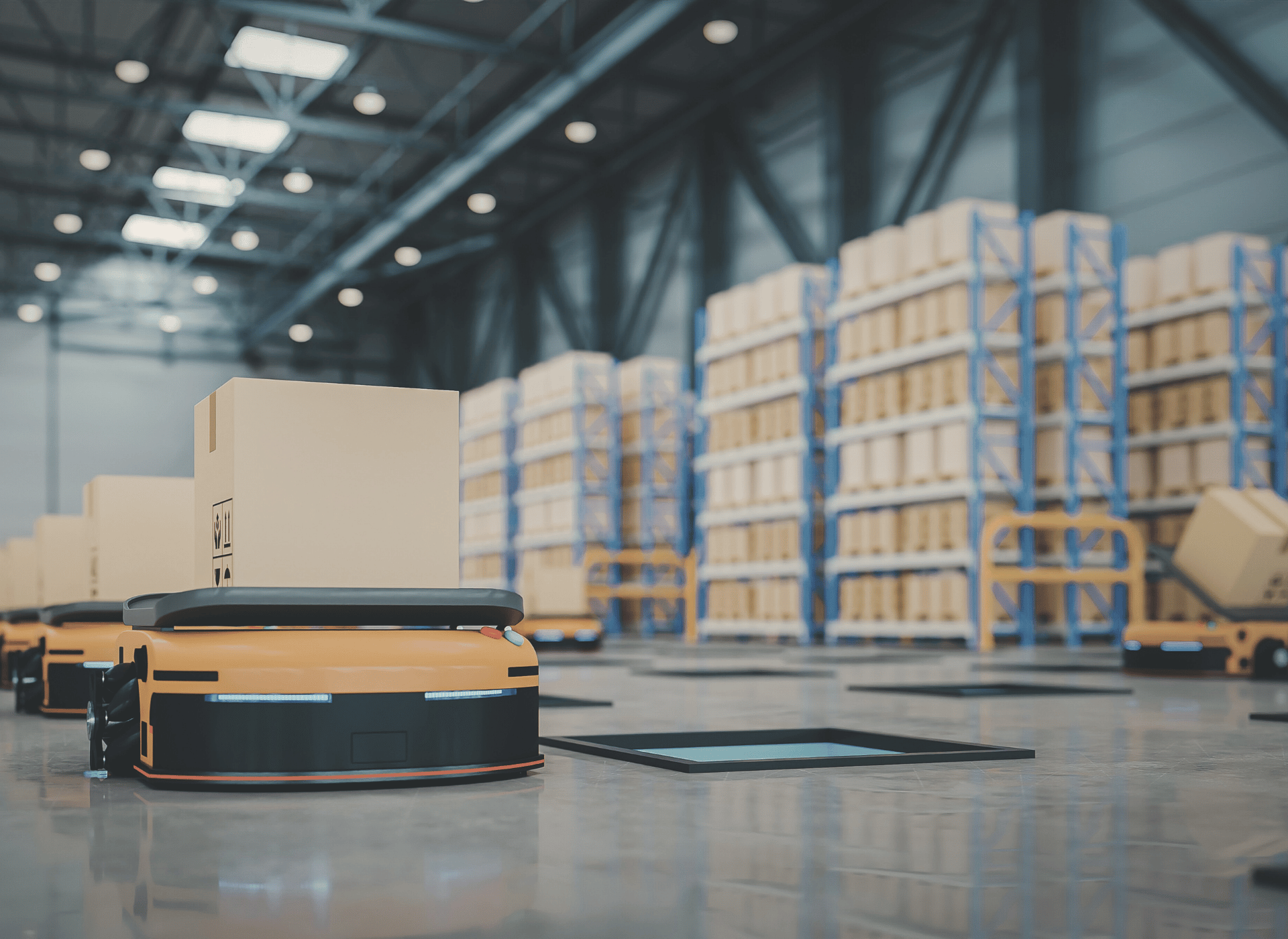
In modern warehouses, robotics and sensors play critical roles in streamlining operations such as goods movement and inventory tracking. Companies like Locus Robotics, Geek+, and Fetch Robotics are leading this trend with their autonomous mobile robots (AMRs). These robots are deployed for tasks like order picking and pallet transport while providing real-time data monitoring.
Take Locus Robotics as an example; their robots are active in over 250 sites across the globe, enhancing picking rates drastically from a standard 30–40 units per hour to an impressive 120–150 units per hour. Beyond moving goods, these facilities employ smart sensors that monitor various factors including temperature; pallet positions; equipment conditions; and air quality.
Moreover, industrial environments are adopting sensor networks extensively to gather detailed operational data which is then used for analytics purposes and predictive maintenance strategies. A study by Modern Materials Handling anticipated that by 2026, around 29% of warehouses would have implemented Automated Storage and Retrieval Systems (ASRS), encompassing technologies like Vertical Lift Modules - these systems align closely with ESG objectives by optimizing energy usage and promoting sustainable workflows.
Automation-ready power supply and flooring
To accommodate these advanced systems, facility managers ensure the infrastructure is automation-ready. This preparation includes installing high-capacity circuits; backup power supplies; and smart panels which adapt readily to fluctuating loads imposed by robotic systems. Such enhancements are crucial in logistics centers where even minor delays can result in significant financial losses.
Floor design also receives careful consideration - choices often include polished concrete or anti-static surfaces designed to withstand heavy use by autonomous vehicles; forklifts; and automated machinery. These durable finishes help prevent wear while embedded tracks offer safe navigation routes for various types of automated equipment.
Importance of Clear Height in Industrial Design
Clear height is pivotal in modern facilities, providing the necessary space to adapt as warehouse needs evolve. Developers are leveraging increased heights to drive innovation across warehousing, advanced manufacturing, and sustainability initiatives.
Taller spaces for mezzanine floors and dense racking
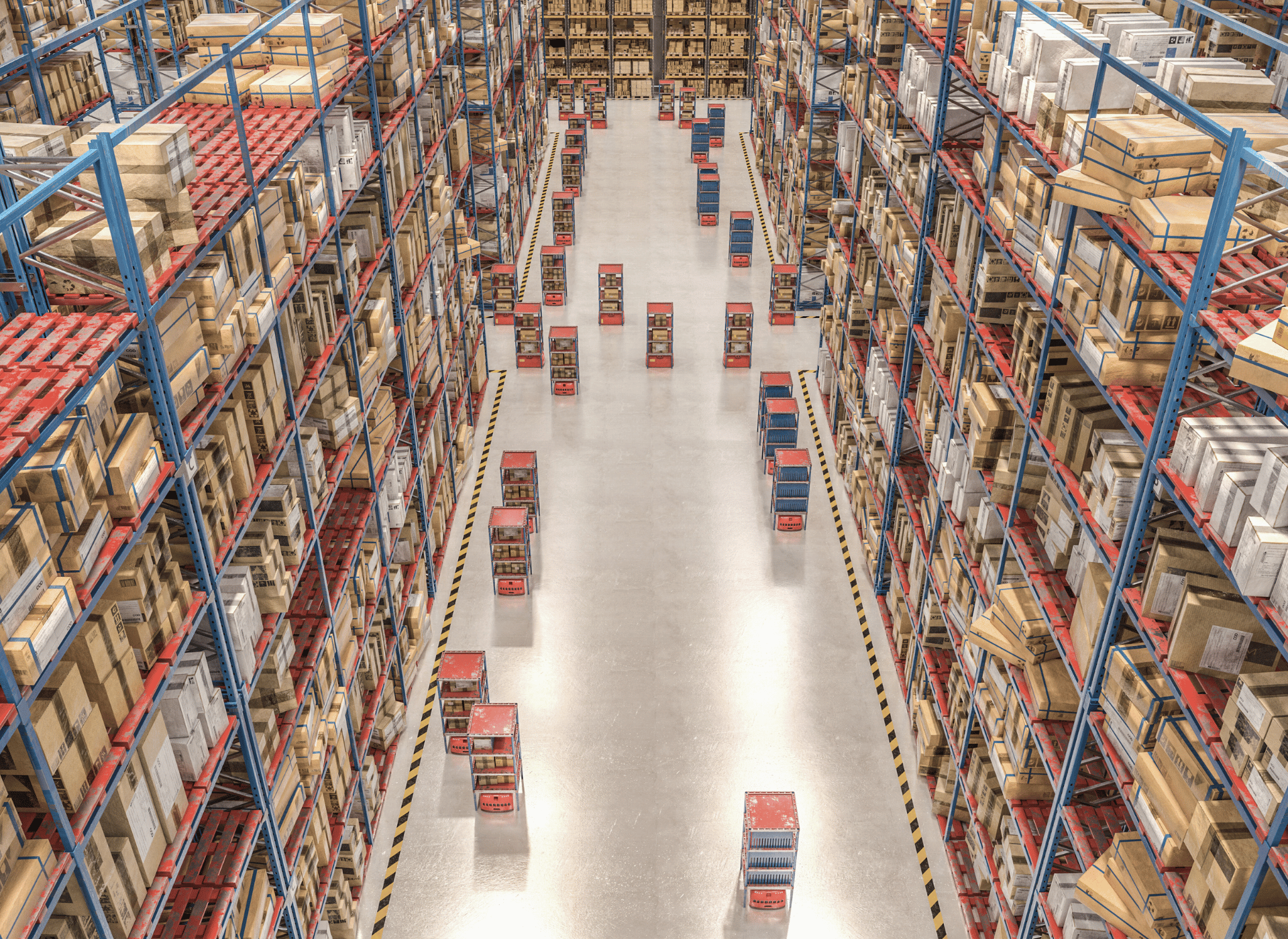
The increased height enables companies to incorporate mezzanine floors and dense racking systems, maximizing vertical space usage. This approach helps businesses double or even triple their storage capacity without increasing the building’s footprint.
Currently, modern Class A warehouses typically offer 32–36 feet of clear height, with numerous e-commerce facilities pushing 40 feet or more. Industry experts have observed that increasing clear heights from 32 feet to 36 feet can enhance a facility's capacity by 10–25%, all while being more cost-effective than expanding the structure’s horizontal spread.
This extra space accommodates smart technologies like robotics, conveyors, and various sensors at different levels and also accelerates order processing speeds. It creates opportunities for facilities to scale operations swiftly and efficiently.
Moreover, reinforced flooring supports heavy automation equipment, while enhanced power supplies maintain efficient operation of these machines. For instance, Automated Storage and Retrieval Systems (AS/RS) require at least 40 feet of clearance to outpace traditional racking systems in order processing speed.

ESG Considerations for Industrial Facilities
Facility owners are increasingly urged to align with stringent environmental guidelines, investing in sustainable technology and upgrades to meet both regulatory standards and market expectations. Particularly in the U.S., state mandates prompt quick adaptation.
Energy-efficient designs and renewable energy integration
To minimize electricity consumption, owners turn to energy-efficient materials and smart lighting solutions. Automated climate controls finely tune heating and cooling systems, minimizing energy wastage at warehouses and production facilities. Solar panels are installed extensively on rooftops, transforming these otherwise idle spaces into sources of renewable energy.
Studies have indicated that facilities equipped with advanced automation technologies can reduce electrical expenses by as much as 75%, thanks to strategies like deactivating lights in unoccupied areas and moderating temperatures in sections primarily operated by machines.
Reducing carbon emissions through automation
Automation significantly contributes to reducing carbon footprints. Robotics and intelligent systems activate operations only as necessary. Research highlights that warehousing and logistics are responsible for approximately 11% of worldwide CO₂ emissions.
Innovative features like automated lighting that turns off in vacant zones, along with climate controls that adjust based on actual room usage, play a critical role. Moreover, modern manufacturing techniques through automation enhance efficiency by cutting down on waste and raw material consumption. Sensors provide timely alerts for maintenance, ensuring no energy is squandered.
AI-powered systems optimize heavy operations during off-peak hours,
Predictive maintenance techniques forestall equipment failures while conserving energy,
Dense storage configurations diminish the necessity for extensive spaces - thus reducing climate control costs,
Self-charging robotic devices that consume considerably less power compared to traditional conveyor belts.
These innovations help logistics firms achieve their sustainability goals and reduce operational costs while increasing warehouse capacity and operational efficacy.
Trends Shaping Modern Industrial Facilities
Modern facilities adapt quickly to new logistics and sustainability needs. Operators now connect systems that boost efficiency, data management, and environmental goals. Digital controls grow ever more common in these industrial sites.
Demand for sustainability-driven upgrades
Owners favor upgrades that improve energy use and cut waste. Many projects now include high-efficiency LED lighting, advanced HVAC systems, and water-saving fixtures. Some logistics centers add solar panels or wind turbines to generate power on site.
Automated systems track real-time usage so managers can trim waste in heating, cooling, and operations. Building enhancements like better insulation and roofing help meet tighter regulations. Distribution centers use smart tracking and emissions reporting as part of their ESG strategies.
Shift toward digitally connected and adaptable spaces
Smart technology now plays a big part in facility operations. Sensors, automated controls, and cloud platforms enable real-time tracking for inventory, equipment, and energy.
A 2026 survey by Modern Materials Handling reported that 49% of companies use warehouse control systems (WCS), 43% use transportation management systems (TMS), and 38% use warehouse execution systems (WES).
Digital upgrades help reduce downtime and let managers reconfigure spaces with modular racking or movable mezzanine floors. Upgraded power systems support robotics alongside new workflows or production shifts.
TechnologyAdoption RatePrimary BenefitWarehouse Control Systems (WCS)49%Real-time coordination of equipment and workflowsTransportation Management Systems (TMS)43%Optimized shipping routes and carrier managementWarehouse Execution Systems (WES)38%Task prioritization and labor managementPredictive Analytics Softwaredemand forecasting maintenance planning/> This data shows how digital systems keep facilities efficient as market needs change.
Conclusion
The landscape of modern industrial facilities is evolving rapidly. To keep pace with competitors, operators are increasingly focusing on three key areas: automation, clear height, and ESG commitments. Making strategic enhancements in these aspects boosts efficiency and addresses the pressing demands of the industry.
Embracing heights between 36 and 40 feet for clear space can lead to enhanced storage capabilities without the need for physical expansion of facilities. Technologies provided by firms like Locus Robotics and Geek+ are revolutionizing operations, significantly boosting productivity through smart system integration.
Incorporating energy-saving measures such as LED lighting and automated climate controls alongside renewable energy solutions is cost-effective and aligns with stringent ESG criteria, setting a new standard in operational sustainability.
FAQs
1. What are the key demands for modern industrial facilities?
Many tenants prioritize having clear heights of at least 36 feet, powerful power systems for Autonomous Mobile Robots (AMRs), and strong sustainability measures like solar-ready rooftops. Particularly in logistic centers such as the Inland Empire, these features have become essential requisites to attract high-quality occupants.
2. Why is clear height important in industrial buildings?
Imagine being able to store about 25% more inventory without expanding the building's footprint - increasing the clear height from 32 feet to 40 feet makes this possible. This method of vertical optimization significantly reduces the cost per pallet position, especially in areas where rents are steep.
3. How does automation benefit industrial facilities?
With technologies like Automated Storage and Retrieval Systems (AS/RS), companies can cut labor expenses by up to 30% and greatly improve accuracy in order fulfillment processes. This reduction not only drives down operational costs but also increases efficiency across the board.
4. What role does ESG play in industrial real estate?
Focusing on ESG is much more than an ethical stance; it’s a crucial financial consideration too. Implementing energy-efficient measures such as LED lighting can slash utility bills by over 30%. Also, properties that boast environmental certifications like LEED are often more appealing to investors and may command higher market values compared to older structures that don’t meet these standards.

Matthew Antonis
Matthew Antonis is a leading figure in the DMV market, recognized for his specialized expertise in Industrial Property and unwavering dedication to client success. His career is defined by high-impact transactions and a data-driven approach that consistently sets new benchmarks in the region.
Matthew made his mark immediately with a monumental debut transaction: securing 161,792 square feet across 11.73 acres, encompassing 14 buildings for $15.2 million. This early success set the tone for a career characterized by lucrative deals and repeat clientele who trust his deep knowledge of the industrial sector.