The 2026 Commercial Real Estate Market at Halftime: Q2 Analysis & Q3 Outlook
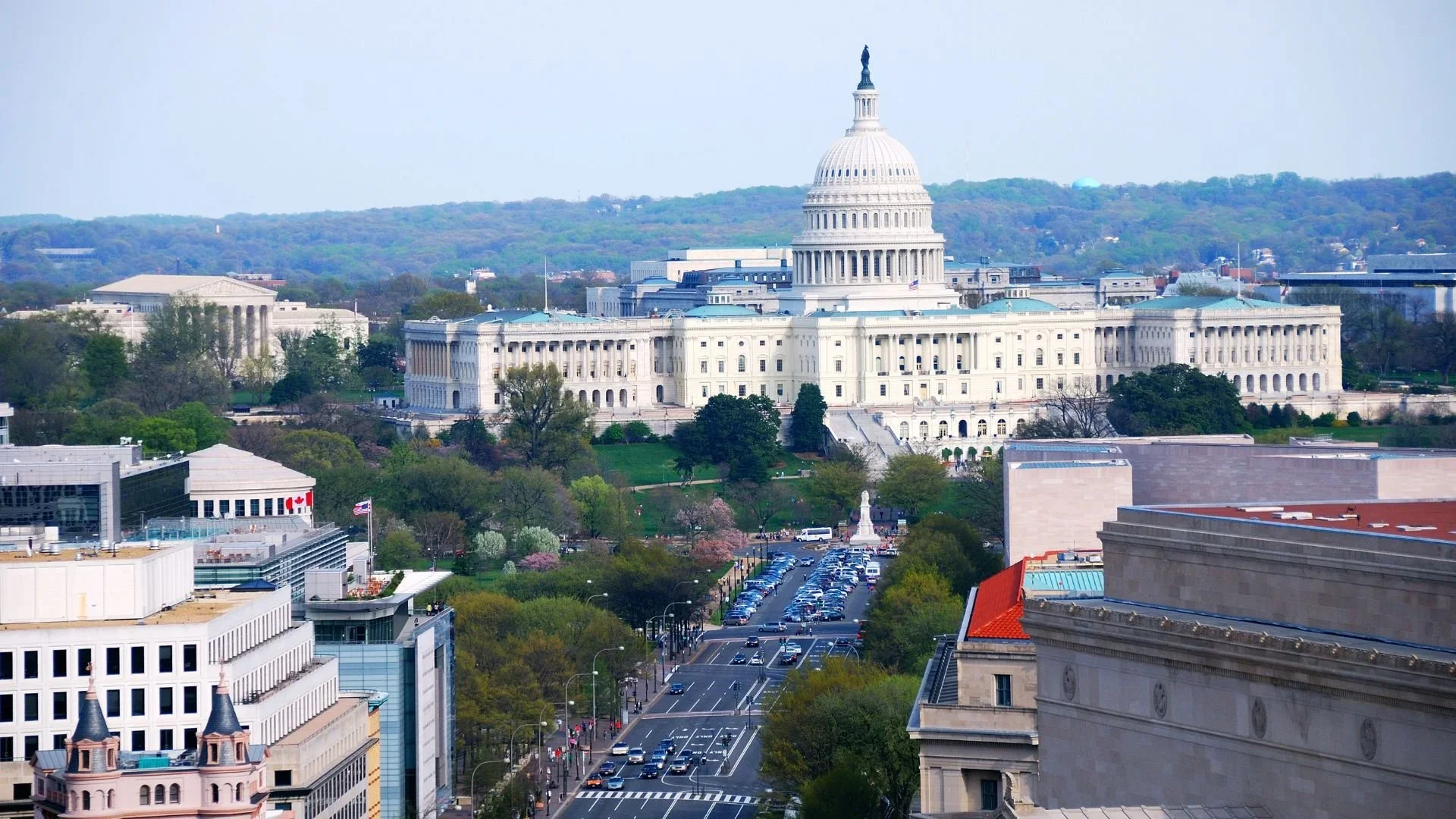
We're officially at the halfway point of 2026, and if there's one word that captures the commercial real estate market right now, it's differentiated. Gone are the days when a rising tide lifted all boats. What we're seeing in Q2 is a market that rewards precise assets well positioned in the right submarket.
Here's my read on where things currently stand and where I think we're headed.
The Macro Backdrop
The broader economy is growing, but modestly. CBRE projects U.S. GDP growth of around 2% for 2026, with softening labor market conditions and inflation averaging roughly 2.5%. Interest rates remain elevated compared to pre-pandemic norms, but the dramatic swings of 2023 and 2024 have calmed considerably.
On the lending side, JLL's credit index hit an all-time high in April 2026, with a near-record number of distinct lenders. Banks, credit funds, family offices, insurance companies, and government agencies were actively quoting across all capital sources simultaneously, leaving plenty of debt capital available. The challenge is that equity investors remain cautious, creating a gap between what lenders are willing to finance and what buyers are willing to close on.
Tariffs are also worth watching. J.P. Morgan noted that steel, aluminum, and copper are all subject to significant tariffs, and rising building material costs will keep supply constrained in several asset classes through the back half of the year.
Industrial: Still the Backbone, Now Normalizing
Industrial remains one of the strongest sectors of CRE for several years running, but it's maturing. Industrial and logistics real estate is entering a period of normalization after years of rapid expansion, with vacancy reaching 7.3% as new supply outpaced demand for the third consecutive year.
That said, the long-term fundamentals are intact. E-commerce continues to grow as a share of total retail sales, and demand for distribution, flex, and light manufacturing space remains steady, particularly in infill locations where new supply is difficult to deliver.
For investors and owner-users here in the DMV, this normalization is actually an opportunity. Sellers who built or bought at the peak of the cycle are becoming more realistic on pricing, and well-located industrial assets with functional clear heights, vehicle access, and proximity to major corridors are still moving. Industrial also showed the strongest sector-level bid competitiveness in lending markets entering Q2, which signals continued lender confidence in the asset class.
Office: Selective Recovery
Office remains the most polarizing sector in CRE, and tells two very different stories in 2026. Flight-to-quality trends remain pronounced, with tenants gravitating toward newer, amenity-rich buildings while older properties continue to struggle with elevated vacancies.
Nationally, Q1 reached 120 million SF, the strongest quarterly total since 2018. This was mostly driven by AI companies which accounted for over 22% of tech-market office leasing.
For the DMV market, this split plays out in real time. Well-located, updated offices in strong employment corridors are leasing, while older, commoditized suburban offices continue to face pressure.
Retail: Quietly Resilient
Retail has stabilized broadly, with pockets of strength in high-growth metros and well-located corridors. Experiential retail, essential services, and neighborhood-anchored centers are performing particularly well. The story here isn't a dramatic comeback, it's quiet and steady resilience from brands that are focused on world-building and providing experiences for new and existing customers.
Top Trends Heading Into Q3 and Beyond
A few themes I'm watching closely as we move into the second half of the year:
Transaction volume is picking up. CBRE expects commercial real estate investment activity to increase 16% in 2026 to $562 billion, nearly matching pre-pandemic averages. More deals will lead to more comps, price discoveries, and opportunities for buyers who have been sitting on the sidelines.
The bid-ask spread is narrowing. Sellers who held firm through 2024 are adjusting expectations, and buyers who waited are finding more realistic entry points. The window is open but it won’t be forever.
Capital is concentrating, not spreading. Activity is concentrating in high-performing asset classes and submarkets rather than lifting all sectors uniformly. Generic assets in secondary locations will continue to underperform because specificity matters more than ever.
Supply constraints will support existing owners. With construction costs more than 40% above 2020 levels and development financing still expensive, new supply will remain limited across most asset classes. That's good news for owners of existing, functional properties.
The Bottom Line
The market heading into Q3 isn't one that rewards speculation or passive ownership. It rewards knowledge, relationships, and the ability to move decisively when the right opportunity surfaces.
The fundamentals in industrial and retail remain supportive. Office is split in ways that create both risk and opportunity. And transaction volume is building, which means the second half of 2026 could be more active than anything we've seen in the past two years.
If you're watching the market, now is the time to get specific about what you want and position yourself to act. The people who win in a market like this are the ones who are already on the ground floor.

Matthew Antonis
Matthew Antonis is a leading figure in the DMV market, recognized for his specialized expertise in Industrial Property and unwavering dedication to client success. His career is defined by high-impact transactions and a data-driven approach that consistently sets new benchmarks in the region.
Matthew made his mark immediately with a monumental debut transaction: securing 161,792 square feet across 11.73 acres, encompassing 14 buildings for $15.2 million. This early success set the tone for a career characterized by lucrative deals and repeat clientele who trust his deep knowledge of the industrial sector.